Source Natural Pure Ocimum Sanctum Extract for Medicine, Food, and Health Care
Find 30 listings for natural pure ocimum sanctum extract suitable for medicine, health care products, and food applications. Compare specifications such as 4:1 ratios, 2.5% rosemary acid content, and ISO/HACCP certifications to identify suitable suppliers for your formulation needs.
Key considerations
Products List








Comprehensive Sourcing Guide
Natural Pure Ocimum Sanctum Extract Sourcing Guide
Procuring natural pure Ocimum Sanctum extract requires a disciplined approach to verifying botanical identity and extraction integrity. Buyers must prioritize suppliers who explicitly list Ocimum Sanctum Linn. as the Latin name, ensuring the raw material is correctly identified and not confused with similar herbal profiles. The observed market signals indicate that this ingredient is primarily formulated for health care products and food applications, often appearing in capsule, tablet, or paste forms. This versatility demands that procurement teams align their technical specifications with the intended final dosage form to avoid compatibility issues during manufacturing.
The supply chain for this botanical extract is heavily concentrated in China, where manufacturers leverage established agricultural infrastructure to produce high-quality plant materials. Sourcing from this region offers access to a wide range of customization options, allowing buyers to tailor the extract to specific potency or solubility requirements. However, the geographic concentration also necessitates rigorous due diligence regarding logistics and export compliance. Buyers should evaluate the supplier’s ability to maintain consistent supply chains while adhering to international trade regulations, ensuring that the natural purity of the extract is preserved from harvest through to final delivery.
Product Scope and Observed Listing Signals
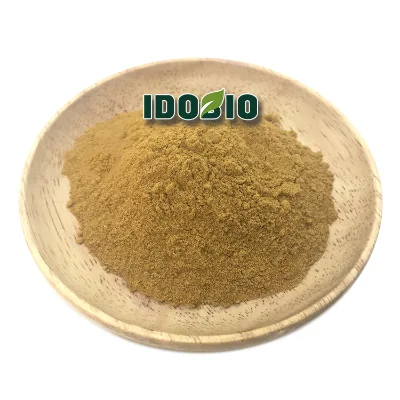
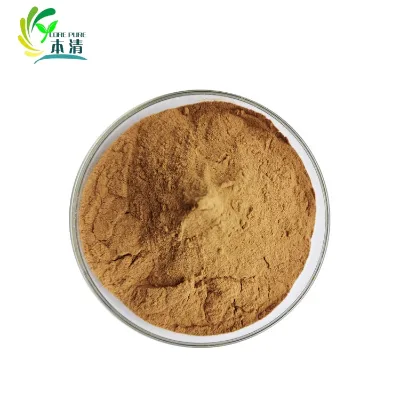
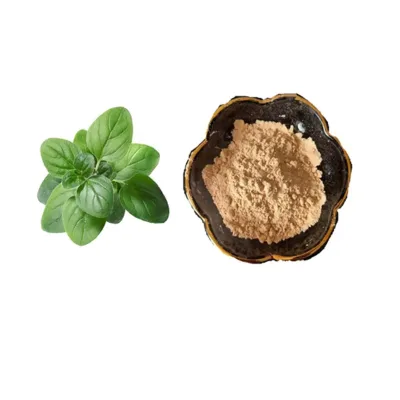
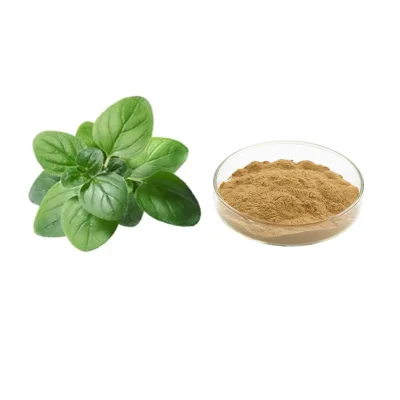
The current market landscape for Ocimum Sanctum extract reveals a diverse array of product presentations, ranging from fine powders to specialized paste formulations. Observed listings frequently highlight a brown or brown-yellow color profile, which is characteristic of standard solid extraction processes using water and ethanol solvents. These visual cues serve as initial indicators of the extraction method and solvent residue levels, prompting buyers to request detailed analytical reports to confirm that the appearance aligns with the specified grade. The availability of customization further suggests that manufacturers can adjust the physical properties of the powder to meet specific industrial processing needs.
Commercial listings also indicate a broad range of packaging options, including 1kg bags, 5kg bags, and 25kg drums, catering to both small-scale R&D and large-scale production environments. The presence of fiber paper drums and standard industrial drums reflects the need for robust protection against moisture and contamination during storage and transit. Buyers should note that while some listings mention specific ratios like 4:1 or 20:1, these are often associated with broader plant extract categories rather than exclusive to Ocimum Sanctum. Therefore, verifying the exact concentration and active compound content is essential before finalizing any purchase order.
Technical Specifications to Verify
Technical verification must begin with the assay method, where UV and HPLC techniques are commonly employed to quantify active constituents. Buyers should insist on certificates of analysis that clearly detail the percentage of key markers, such as rosmarinic acid, which is often cited in related herbal extracts. Although some listings mention rosmarinic acid levels, it is critical to confirm whether this specific compound is the primary marker for the Ocimum Sanctum batch in question. The particle size specification, often noted as 100% passing an 80-mesh sieve, ensures uniformity in mixing and dissolution, which is vital for consistent product performance in pharmaceutical and food applications.
The extraction type and solvent system are equally critical technical parameters that influence the final product’s safety and efficacy. Solid extraction using water and ethanol is a standard method, but buyers must verify the residual solvent limits to ensure compliance with international safety standards. Additionally, the plant part used, typically the leaf, should be confirmed to guarantee that the extract contains the desired phytochemical profile. Understanding these technical nuances allows procurement teams to assess the quality of the extract more accurately and avoid potential discrepancies between the supplier’s claims and the actual product specifications.
Compliance and Safety Documentation
Safety and compliance documentation form the backbone of any responsible procurement strategy for herbal extracts. Buyers must verify that the supplier holds relevant certifications, such as ISO and HACCP, which indicate adherence to quality management and food safety standards. The absence of irradiation is a significant selling point for many natural product buyers, as it preserves the integrity of heat-sensitive compounds. Furthermore, the product is often marketed as GMO-free and nanomaterial-free, addressing growing consumer and regulatory concerns regarding genetically modified organisms and synthetic nanoparticles in food and health products.
Regulatory compliance extends to specific chemical limits, such as the presence of pyrrolizidine alkaloids, which must be in compliance with regulations like EU 2020/2040. Buyers should request detailed test reports confirming that these toxic compounds are below detectable limits or within acceptable thresholds. The suitability for vegan applications is another important compliance factor, ensuring that the extract does not contain any animal-derived processing aids or contaminants. By thoroughly reviewing these compliance documents, buyers can mitigate legal risks and ensure that the final product meets the stringent requirements of their target markets.
Cost Drivers and Commercial Terms
Several factors influence the cost structure of natural pure Ocimum Sanctum extract, with the primary drivers being the extraction ratio, purity level, and packaging format. Higher extraction ratios, such as 20:1, typically command a premium due to the increased volume of raw plant material required. Similarly, products with higher concentrations of active compounds, like rosmarinic acid, may be priced differently based on the complexity of the purification process. Buyers should analyze the cost per unit of active ingredient rather than just the price per kilogram to ensure they are receiving fair value for their investment.
Commercial terms also play a significant role in the total cost of ownership, with lead times and minimum order quantities affecting inventory management and cash flow. Observed lead times of 7-10 working days suggest a relatively efficient production cycle, but buyers should confirm whether this timeline includes shipping and customs clearance. Minimum order quantities can vary, with some suppliers offering low MOQs for sampling and higher volumes for bulk orders. Understanding these commercial dynamics allows procurement teams to negotiate better terms and optimize their supply chain efficiency.
Supplier Qualification and Quality Control
Supplier qualification requires a multi-layered approach that goes beyond basic certification checks. Buyers should conduct on-site audits or request third-party audit reports to verify the supplier’s manufacturing processes, hygiene standards, and quality control protocols. The ability to provide customization is a positive indicator of technical capability, but it must be backed by robust process validation to ensure consistency across batches. Suppliers who offer detailed traceability from raw material sourcing to final product delivery demonstrate a higher level of operational maturity and commitment to quality.
Quality control measures should include routine testing for heavy metals, microbial contamination, and pesticide residues, in addition to the assay of active compounds. Buyers should establish clear acceptance criteria for these tests and require that the supplier provides batch-specific certificates of analysis. The use of appropriate storage conditions, such as cool and dry places, and a defined shelf life of 36 months, are also critical factors to consider. By implementing a rigorous supplier qualification process, buyers can build a reliable supply chain that minimizes the risk of quality issues and ensures the consistent delivery of high-quality Ocimum Sanctum extract.
Long-Term Procurement Checks
Long-term procurement success depends on continuous monitoring of supplier performance and market trends. Buyers should establish key performance indicators to track delivery reliability, product quality consistency, and responsiveness to issues. Regular reviews of supplier audits and compliance documentation help ensure that the supplier maintains their standards over time. Additionally, staying informed about regulatory changes in target markets, such as updates to food safety laws or herbal supplement regulations, allows buyers to proactively adjust their sourcing strategies and avoid potential disruptions.
Building a strong relationship with the supplier is also crucial for long-term success. Open communication channels facilitate better collaboration on product development, customization requests, and problem resolution. Buyers should also consider diversifying their supplier base to mitigate risks associated with single-source dependencies. By maintaining a strategic approach to supplier management and staying vigilant about market and regulatory developments, procurement teams can secure a stable supply of natural pure Ocimum Sanctum extract that meets their evolving business needs.
FAQs
What is the standard packaging for natural pure ocimum sanctum extract?
The standard packaging for natural pure ocimum sanctum extract is typically a 25kg drum or fiber paper drum. Some suppliers also offer smaller quantities such as 1kg or 5kg bags. This flexible packaging ensures safe transport and storage while maintaining product integrity for bulk industrial buyers.
Can natural pure ocimum sanctum extract be used in vegan products?
Yes, natural pure ocimum sanctum extract is suitable for vegan applications. The product is derived from plant sources and does not contain animal-derived ingredients. This makes it an ideal ingredient for manufacturers seeking to formulate vegan-friendly health care products, food supplements, and cosmetic formulations.
What certifications are available for natural pure ocimum sanctum extract?
Natural pure ocimum sanctum extract is available with ISO and HACCP certifications. These certifications ensure that the manufacturing process meets international quality and safety standards. Buyers can rely on these credentials to verify compliance with regulatory requirements for food and pharmaceutical grade ingredients.
How is the purity of natural pure ocimum sanctum extract tested?
The purity of natural pure ocimum sanctum extract is tested using UV and HPLC assay methods. These analytical techniques provide accurate quantification of active compounds. This rigorous testing ensures consistent quality and potency across batches, meeting the strict requirements of pharmaceutical and health care product manufacturers.
What is the shelf life of natural pure ocimum sanctum extract?
The shelf life of natural pure ocimum sanctum extract is 36 months when stored correctly. It should be kept in a cool, dry place to maintain stability. Proper storage conditions prevent degradation and ensure the extract remains effective for use in various applications over its designated period.
Is natural pure ocimum sanctum extract free from GMOs?
Yes, natural pure ocimum sanctum extract is GMO free. The product is produced without genetic modification, ensuring it meets the preferences of consumers seeking natural ingredients. This attribute is particularly important for brands that prioritize clean label formulations and non-GMO sourcing in their supply chains.